
How Does the SMPA Board Work?
SMPA Board members are responsible to represent the members of their district by:
-Reviewing and setting the SMPA strategic objectives every three years
-Collectively setting SMPA Board policies
-Hiring the SMPA CEO
-Reviewing, fine tuning, and approving the co-op’s budgets
-Representing SMPA membership on a fair and impartial basis for the best interest of all members
-Attending regularly scheduled board meetings
-Representing SMPA at national, state and regional meetings, where the interest of San Miguel Power is concerned.
What is a rural electric cooperative?
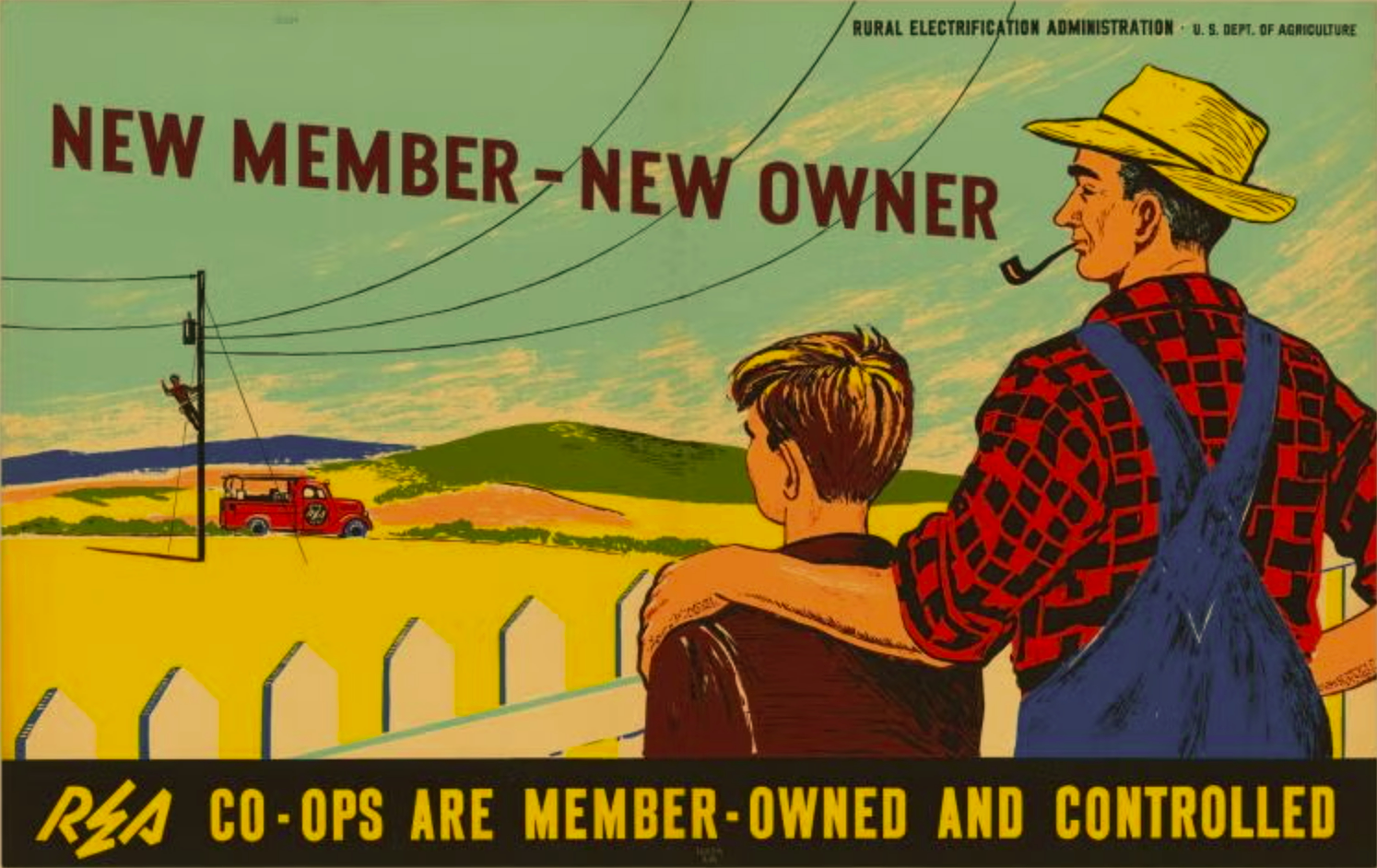
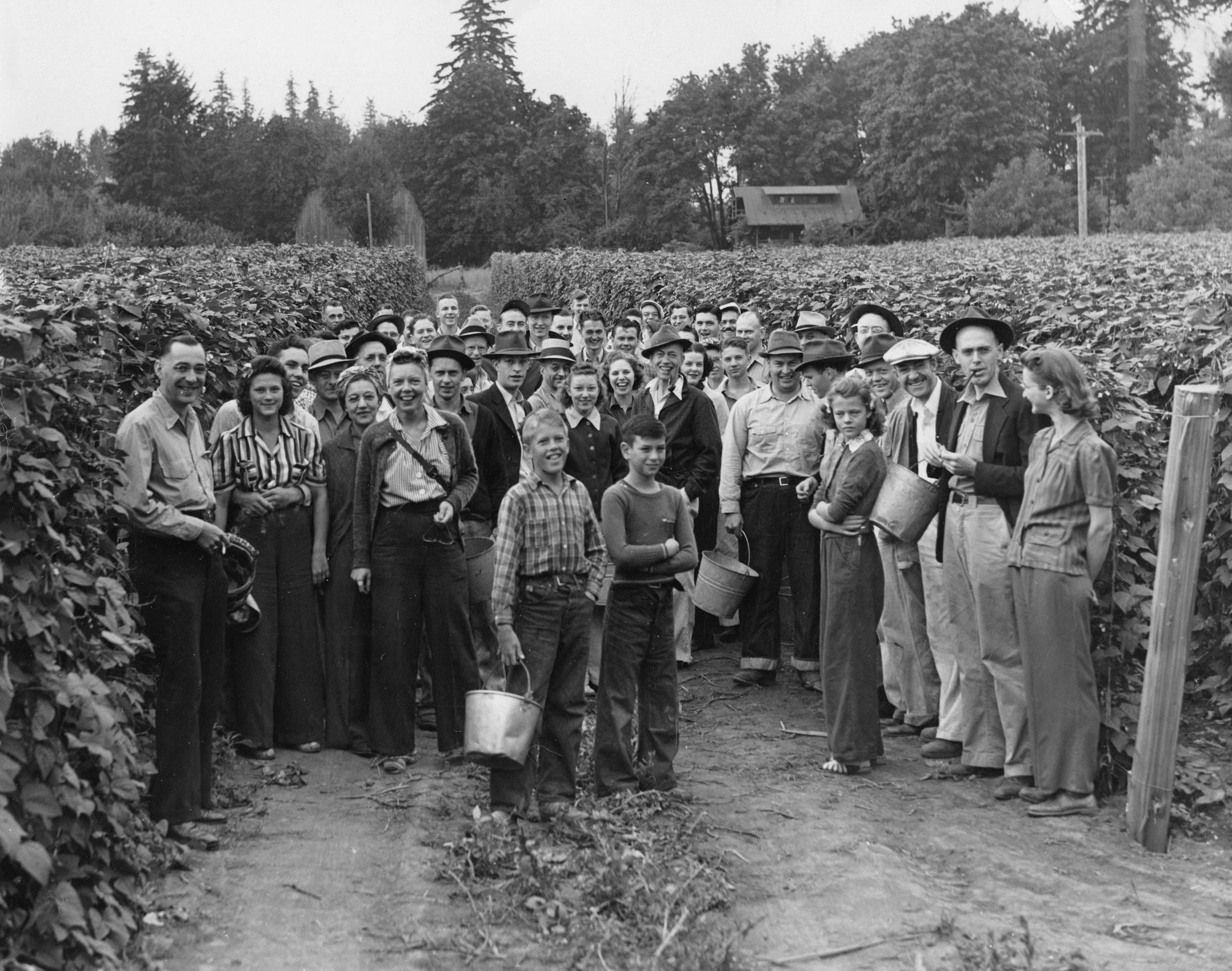
The history of rural electric co-ops (RECs) is one of rural self-reliance, collaboration, and power by the people, for the people.
In 1930s rural America, only about 10% of homes, farms and ranches had electricity. Under FDR’s New Deal, the Rural Electrificaion Act encouraged the development of small, locally-based electric cooperatives that served rural communities. These co-ops were designed to have a low buy-in cost for members and proved extremely successful. By 1953, over 90% of farms and ranches in the US had access to electricity through RECs.
What is SMPA?
The San Miguel Power Association (SMPA) was established to serve the farms and ranches of the greater San Miguel Basin in 1938. Since then, it has continued to serve the region as a member-owned, locally-focused, community-driven energy cooperative.
For more info on SMPA’s history, and the story of rural electric cooperatives nationwide, check out the informative videos and links below:
This video features a hand-drawn guide to the history, structure and purpose of rural electric cooperatives.
This informative short, made in the early 1950s, speaks to the early National Rural Electric Cooperative movement and matters.